
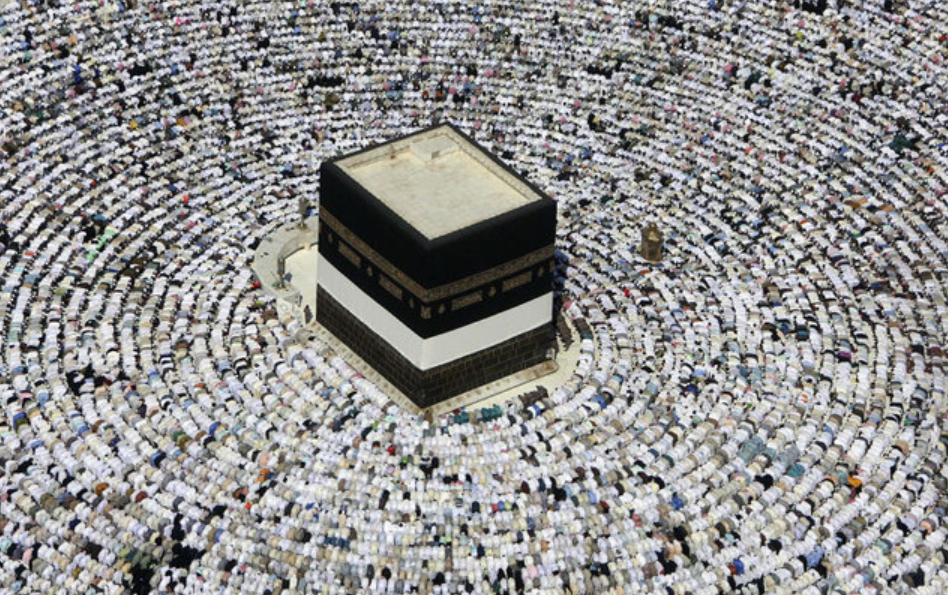
The Haj pilgrimage, one of the largest religious gatherings in the world, attracts nearly two million Muslims annually. For India, with a quota of over 120,000 pilgrims, the responsibility of ensuring accommodation, transport, catering, and ritual services is immense. In 2027, the Saudi Ministry of Hajj and Umrah introduced a Comprehensive Service Package (CSP) policy, consolidating all services under a single provider to reduce costs and improve efficiency. While the policy was designed to benefit pilgrims, its implementation in India has sparked controversy and allegations of financial mismanagement.
Tender Process and Evaluation
The Ministry of Minority Affairs, through the Consulate General of India in Jeddah, floated the tender in August 2026. Sixteen companies participated, but only three advanced to the financial evaluation stage under the Quality and Cost Based Selection (QCBS) method, which assigns 70% weight to financial bids and 30% to technical scores.
The results were as follows:
– Mashareq Al Mutamayza (L1) quoted SAR 8,717 per pilgrim, securing the lowest financial bid and the highest overall score of 92.13.
– Ithra Al Khair (L2) quoted SAR 9,777 per pilgrim, the highest rate, but achieved a stronger technical score that placed it second overall with 90.16.
– The difference of SAR 1,059.99 per pilgrim translated into an additional burden of approximately ₹331 crore on Indian pilgrims.
Role of the Tender Evaluation Committee (TEC)
The TEC, comprising senior IAS and IFS officers, recommended awarding the contract to Mashareq Al Mutamayza (L1). This recommendation was endorsed by the Consul General in Jeddah and forwarded to the Ministry of Minority Affairs for approval.
However, the Ministry sought clarifications from L1 regarding the viability of its low rates. The company explained that its competitive pricing was due to direct ownership of infrastructure and long-term vendor arrangements, ensuring sustainability without compromising quality. Despite this assurance, the Ministry reportedly bypassed the TEC’s recommendation and moved to favor Ithra Al Khair (L2).
Procedural Irregularities
According to the Government of India’s procurement manual, if the approving authority disagrees with the TEC, it must record its reasons and, ideally, refer the matter back to the committee. Overruling the TEC without such reconsideration is procedurally irregular and potentially ultra vires. By favoring L2, the Ministry imposed a massive financial burden on pilgrims, undermining the very purpose of the CSP policy.

Public Interest Concerns
The issue has drawn attention from public-interest bodies and the media. Representations have demanded that the TEC’s evaluation be respected and that no post-evaluation alterations occur outside prescribed procedures. Reports also suggest that Ithra Al Khair faced penalties from Saudi authorities in previous Haj operations, raising further questions about its eligibility and credibility.
Impact
The Haj 2027 tender controversy highlights a troubling pattern of governance where transparency and accountability are compromised. Instead of delivering cost savings, the process threatens to burden pilgrims with hundreds of crores in additional expenses. At its core, the scandal underscores the need for strict adherence to procurement rules, institutional respect for evaluation committees, and prioritization of public interest over opaque decision-making.